
21 January 2026
On January 19, 2026, Burkinabe authorities inaugurated the construction of a new Digital Infrastructure Supervision Center, a project valued at approximately 3.05 billion CFA francs (around US$5.4 million). 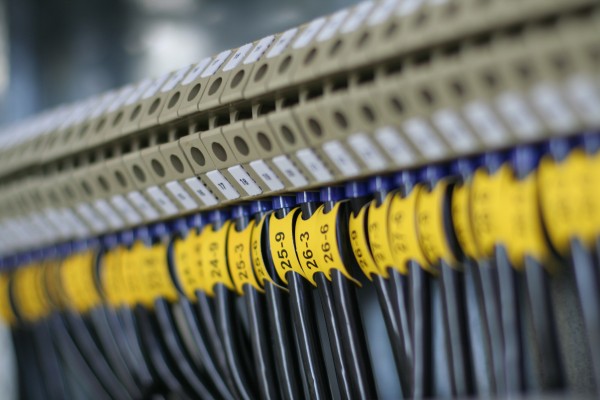
The center aims to enhance the country’s digital sovereignty and safeguard its strategic digital infrastructure, with plans for it to be operational by October 2026 after nine months of construction.
Housed in a five-story building, the center’s core functions will include centralized oversight of the national backbone network, cybersecurity management, operation of data centers, and the protection of critical digital assets for the State. The Ministry of Digital Transition, Posts, and Electronic Communications emphasized that the facility will be “an essential tool for the effective, secure, and sovereign management of national digital systems.”
This development is part of Burkina Faso’s broader push to rapidly expand its digital infrastructure. The government previously launched the Digital Development Observatory (OAN) in October 2025, a platform designed to collect, analyze, and visualize data related to the country’s digital assets to inform policymaking. The center also aligns with the country’s twelve major digital transformation initiatives, which include goals such as achieving “zero unprotected critical infrastructure,” deploying local data centers and cloud solutions, and connecting all public buildings to the internet.
Other key strategies include the promotion of infrastructure sharing, strengthening the national backbone, expanding fiber optics to homes, and aiming for full mobile coverage across the country. In May 2025, Digital Transition Minister Aminata Zerbo/Sabane outlined a national digital coverage plan targeting 2030, emphasizing investments in fiber optics, solar energy for energy diversification, and the deployment of 5G and satellite technology to improve rural connectivity.
During Burkina Faso’s Digital Week in November 2025, Oumténi Dadioari, Director of the Government Intranet at the National Agency for Information and Communication Technologies (ANPTIC), presented a comprehensive roadmap. This plan includes establishing a Tier III national data center, creating a sovereign cloud, developing a national data platform, and leveraging hybrid cloud infrastructures to involve the private sector in reliable national hosting. It also emphasizes energy diversification through solar power and expanding digital coverage using 5G and satellite technology in remote areas.
Despite these ambitious efforts, Burkina Faso faces significant structural challenges. The country ranked 175th out of 193 nations on the United Nations e-Government Development Index (EGDI) in 2024, with a score of 0.2895/1, below both the African average (0.4247) and the global average (0.6382). Telecommunications infrastructure indicators reveal that as of August 2024, mobile service coverage stood at 85%, with 64% for 3G and 46% for 4G internet. The International Telecommunication Union (ITU) reports that in 2023, internet penetration was only 17%, compared to 55.9% for mobile phone usage.
In cybersecurity, Burkina Faso ranks in the third tier out of five on the ITU Global Cybersecurity Index. While it shows strength in organizational structure, legislation, and international cooperation, it lags in technical measures and capacity building efforts. These hurdles highlight the ongoing challenge for Burkina Faso to fully realize its digital ambitions and leverage ICTs as a driver for socio-economic development across sectors like education, health, trade, and agriculture.